
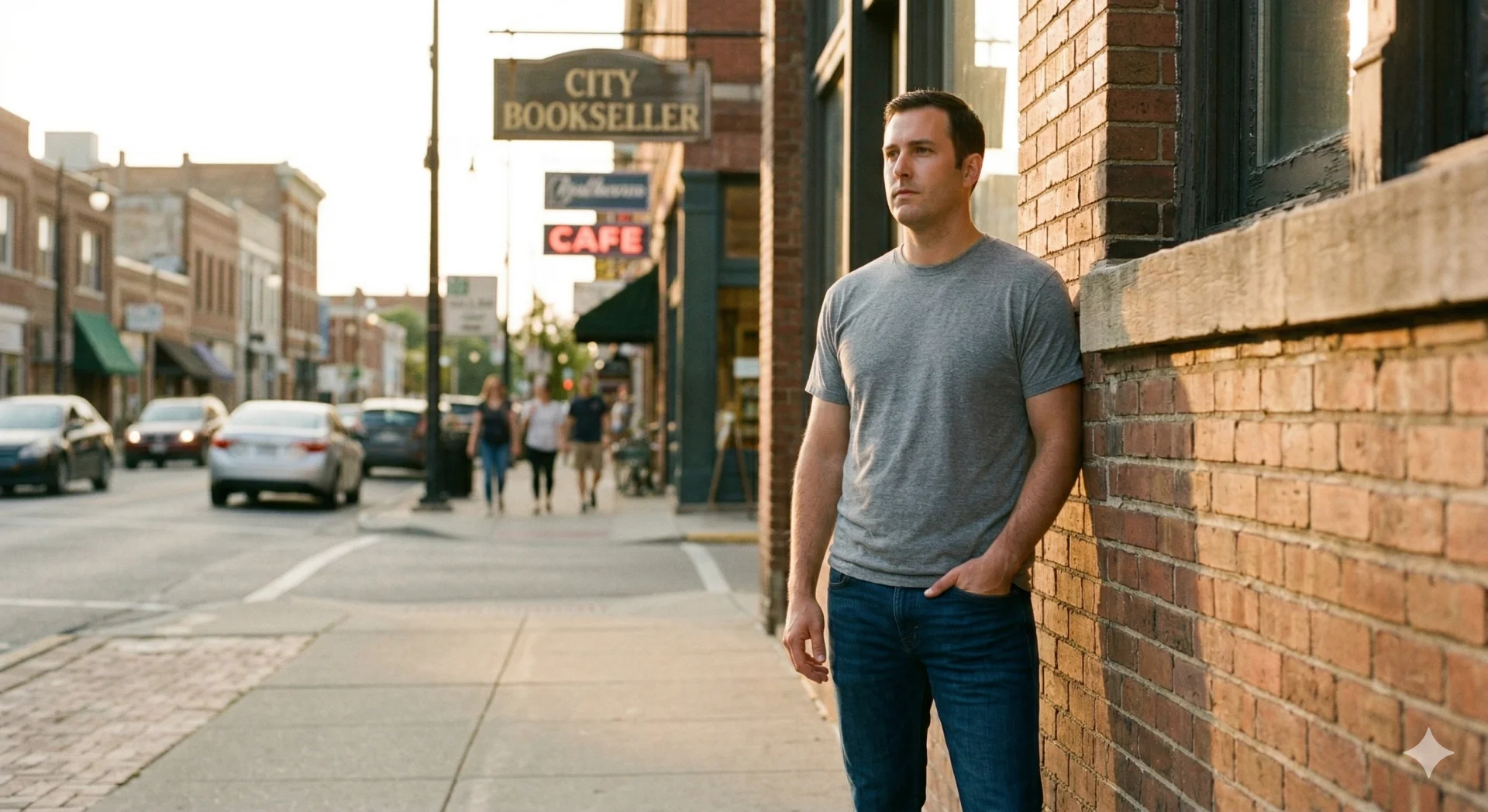
Law enforcement officers face unique threats that require specialized protection. Unlike ballistic threats, edged weapon attacks are close-range, sudden, and often occur during routine interactions. This guide covers everything police professionals need to know about stab-resistant equipment.
Key Topics
- Understanding stab threat statistics in law enforcement
- Protection level recommendations by duty type
- Concealed vs. overt wear considerations
- Department procurement guidelines
The Reality of Edged Weapon Threats
According to law enforcement safety data, edged weapon attacks represent a significant portion of officer injuries:
These statistics highlight why stab protection is essential for daily wear, not just specialized operations.
Protection Levels by Duty Type
Different law enforcement roles face different threat profiles. Here's how to match protection to duty assignments:
Patrol Officers
Daily patrol involves unpredictable public interactions. Level 2 protection (36 joules) balances defense against common threats with all-day wearability. Concealed options work well under standard uniforms.
- Stab-resistant T-shirts for warm weather
- Concealable vests under uniform shirts
- Lightweight construction for 12-hour shifts
Corrections Officers
Prison environments present elevated risks from improvised weapons. Higher protection levels are justified given the confined spaces and potential for coordinated attacks.
- Full-coverage vests with side protection
- Stab-resistant jackets for cold facilities
- Easy-clean materials for hygiene requirements
Tactical Units
SWAT and tactical teams need maximum protection for high-risk operations. Combined stab and ballistic protection provides comprehensive defense.
- Plate carriers with stab-resistant backings
- Modular systems for mission-specific配置
- Overt wear with MOLLE compatibility
Plainclothes Detectives
Undercover operations require protection that doesn't compromise cover. Thin, flexible armor maintains silhouette while providing essential defense.
- Ultra-thin concealable vests
- Stab-resistant business casual options
- Silent materials for surveillance work
Concealed vs. Overt: Making the Choice
The decision between hidden and visible protection affects both safety and operational effectiveness:
| Factor | Concealed | Overt |
|---|---|---|
| Deterrence | None (not visible) | High (visible protection) |
| Surprise Factor | Maintained | Reduced |
| Public Perception | Approachable | Authoritative |
| Comfort | Higher (lighter) | Lower (more coverage) |
| Best For | Daily patrol, undercover | Tactical, crowd control |
Department Procurement Guidelines
For procurement officers responsible for equipping departments, consider these factors:
Certification Requirements
All protective equipment should meet recognized standards:
- NIJ 0115.00 — U.S. standard for stab resistance
- NIJ 0101.06 — Ballistic protection (if combined)
- ISO 13998 — International standard for reference
Bulk Purchase Considerations
Pre-Purchase Checklist
- ✅ Verify certification on NIJ Compliant Products List
- ✅ Request sample units for officer fit testing
- ✅ Confirm warranty terms (minimum 12 months)
- ✅ Establish replacement/repair procedures
- ✅ Negotiate volume pricing for 50+ unit orders
- ✅ Plan for size range (S-3XL minimum)
- ✅ Consider gender-specific cuts for female officers
Budget Planning
Quality stab-resistant equipment typically ranges from $150-400 per unit depending on protection level and features. Budget for:
- Initial equipment purchase
- Replacement cycle (5-year typical service life)
- Cleaning/maintenance supplies
- Officer training on proper wear and care
Training and Compliance
Equipment is only effective when worn consistently. Department policies should address:
Mandatory Wear Policies
Departments with mandatory protection policies report higher compliance rates. Key elements include:
- Clear guidelines on when protection is required
- Supervisor enforcement and accountability
- Regular equipment inspections
- Documentation of non-compliance incidents
Comfort = Compliance
Officers won't wear uncomfortable gear. Invest in quality equipment that officers actually want to wear:
- Breathable materials for hot climates
- Proper fit through comprehensive sizing
- Lightweight options for extended wear
- Moisture-wicking properties
Equip Your Department
ArmorNEX provides law enforcement agencies with certified stab protection designed for daily wear. Volume pricing available for departments. Contact us for bulk quotes and sample programs.